
Bio-CNG Technology: 7 Powerful Benefits of a Sustainable Clean Energy Solution
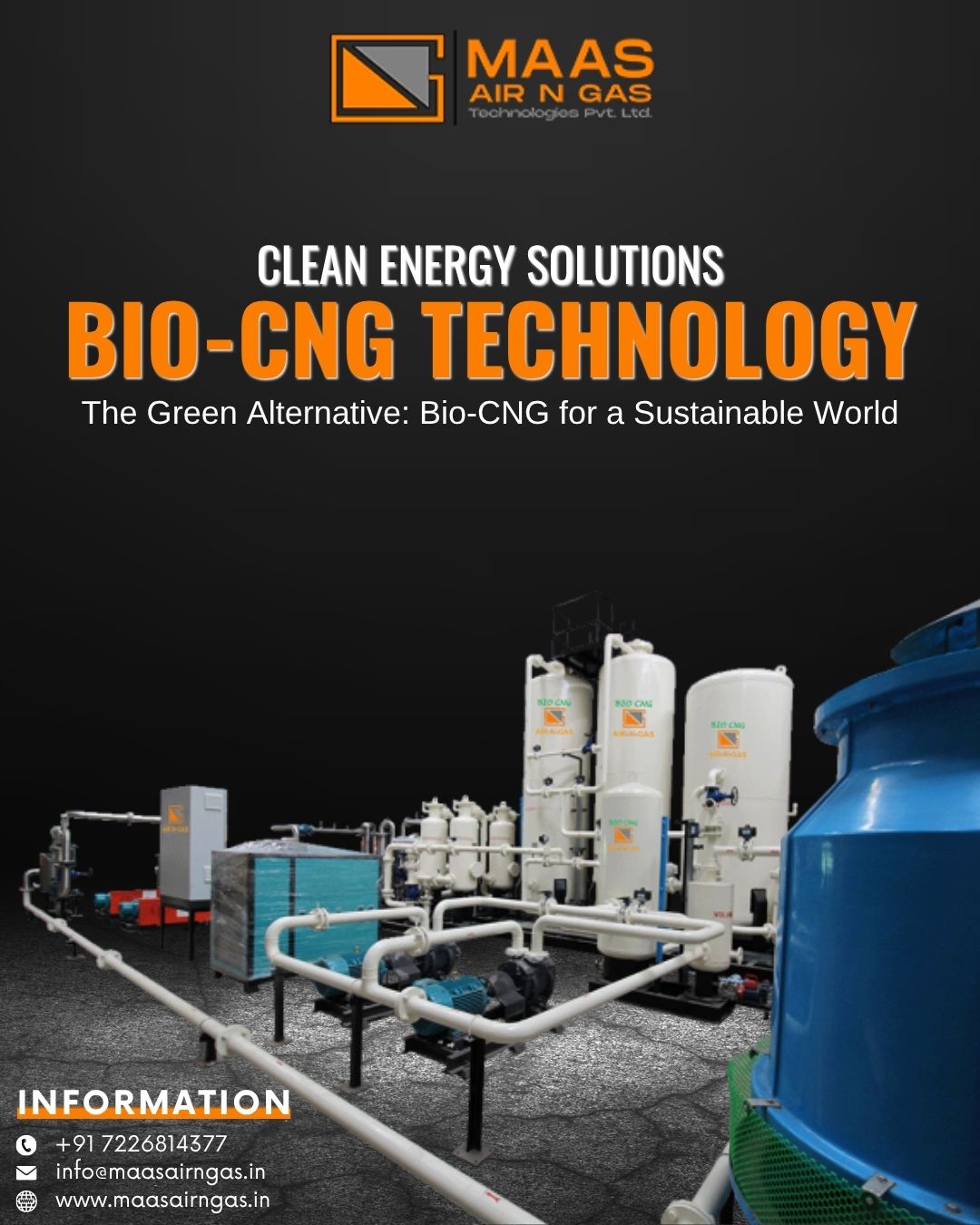
Bio-CNG Technology: The Future of Sustainable Clean Energy
Table of Contents
- What is Bio-CNG Technology?
- How Bio-CNG Technology Works
- Benefits of Bio-CNG Technology
- Industrial Applications of Bio-CNG
- Government Support for Bio-CNG Projects
- Why Choose Air N Gas for Bio-CNG Technology?
- FAQs
- Conclusion
Bio-CNG Technology: The Future of Sustainable Clean Energy
Bio-CNG Technology is rapidly emerging as one of the most effective renewable energy solutions for industries, municipalities, agricultural sectors, and transportation networks. As the world moves toward cleaner energy alternatives, Bio-CNG has become a practical solution that converts organic waste into a valuable fuel source. This innovative technology not only helps reduce environmental pollution but also creates a circular economy where waste becomes a resource.
Growing concerns regarding fossil fuel depletion, greenhouse gas emissions, and rising fuel costs have increased the demand for sustainable energy solutions. Bio-CNG Technology addresses these challenges by producing a clean-burning fuel from biodegradable waste materials such as agricultural residues, food waste, municipal solid waste, dairy waste, and industrial organic waste.
Industries across India and the world are increasingly adopting Bio-CNG plants to improve sustainability, reduce operating costs, and comply with environmental regulations. With advancements in gas purification, compression, and upgrading systems, Bio-CNG has become a reliable alternative to conventional compressed natural gas.
What is Bio-CNG Technology?
Bio-CNG Technology is a process that converts organic waste into high-purity methane gas through anaerobic digestion and gas upgrading systems. The raw biogas generated during decomposition contains methane, carbon dioxide, moisture, and trace impurities.
Through advanced purification technologies, unwanted gases and contaminants are removed, resulting in Bio-CNG with methane purity levels comparable to conventional natural gas. This purified gas can then be compressed and used as a transportation fuel, industrial fuel, or energy source for power generation.
The technology offers dual benefits by addressing waste management challenges while simultaneously producing renewable energy. This makes Bio-CNG one of the most sustainable energy solutions available today.
How Bio-CNG Technology Works
The Bio-CNG production process begins with the collection of biodegradable waste materials. These materials are fed into anaerobic digesters where microorganisms break down organic matter in the absence of oxygen.
The digestion process generates raw biogas containing methane and carbon dioxide. However, raw biogas cannot be directly used in most industrial and transportation applications due to impurities and lower calorific value.
Advanced gas upgrading systems remove carbon dioxide, hydrogen sulfide, moisture, and other contaminants. The resulting high-purity methane is compressed into Bio-CNG and stored for distribution and utilization.
Modern Bio-CNG Technology systems utilize advanced purification methods to maximize methane recovery while ensuring consistent gas quality. These technologies contribute significantly to operational efficiency and fuel performance.
For additional information about renewable energy initiatives, readers can refer to the official Government of India portal:
https://mnre.gov.in/
Global renewable energy insights can also be explored through the International Energy Agency (IEA):
https://www.iea.org/
Benefits of Bio-CNG Technology
Reduced Carbon Emissions
One of the primary advantages of Bio-CNG Technology is its ability to significantly reduce greenhouse gas emissions. Since the fuel is derived from renewable organic waste, the overall carbon footprint is substantially lower compared to fossil fuels.
Effective Waste Management
Organic waste disposal remains a major challenge for municipalities and industries. Bio-CNG plants transform waste into valuable energy, reducing landfill dependency and environmental pollution.
Energy Security
By utilizing locally available biomass and organic waste, Bio-CNG reduces reliance on imported fossil fuels. This improves energy security and supports domestic fuel production.
Cost Savings
Industries can achieve long-term savings by replacing conventional fuels with Bio-CNG. Lower operational costs and reduced waste disposal expenses contribute to improved profitability.
Circular Economy Development
Bio-CNG Technology promotes a circular economy by converting waste into renewable fuel and nutrient-rich bio-fertilizers, creating multiple value streams from a single process.
Sustainable Transportation Fuel
The transportation sector can significantly benefit from Bio-CNG as a clean alternative to diesel and petrol. Vehicles powered by Bio-CNG produce fewer emissions and support sustainable mobility goals.
Environmental Compliance
Governments and regulatory authorities increasingly encourage industries to adopt environmentally friendly practices. Bio-CNG Technology helps organizations meet sustainability objectives and environmental standards.
Industrial Applications of Bio-CNG Technology
The versatility of Bio-CNG Technology makes it suitable for numerous applications across different industries.
Agricultural sectors use Bio-CNG plants to process crop residues, animal waste, and agricultural by-products. Food processing industries utilize organic waste streams to generate renewable fuel while reducing disposal costs.
Municipal corporations deploy Bio-CNG projects to manage urban organic waste efficiently. Transportation companies are increasingly adopting Bio-CNG fuel for buses, trucks, and commercial fleets.
Manufacturing facilities can utilize Bio-CNG for boilers, furnaces, and process heating applications, reducing fuel expenses while improving environmental performance.
The growing adoption of Bio-CNG Technology demonstrates its capability to address multiple sustainability challenges simultaneously.
Government Support for Bio-CNG Projects
The Indian government actively promotes Bio-CNG development through various renewable energy initiatives and sustainable waste management programs. Programs such as SATAT (Sustainable Alternative Towards Affordable Transportation) encourage investment in compressed biogas projects and infrastructure development.
Government policies continue to support the expansion of Bio-CNG facilities, creating opportunities for industries, entrepreneurs, and municipalities to participate in the clean energy transition.
The official Ministry of New and Renewable Energy website provides updated information regarding renewable energy programs, incentives, and policy frameworks.
Why Choose Air N Gas for Bio-CNG Technology?
When implementing a Bio-CNG project, selecting the right technology partner is critical for long-term success.
Air N Gas provides advanced Bio-CNG Technology solutions designed to deliver high methane recovery, reliable performance, and operational efficiency. The company focuses on innovative gas purification systems, customized engineering solutions, and quality-driven project execution.
With expertise in gas separation, purification, and upgrading technologies, Air N Gas helps industries maximize renewable energy production while meeting stringent quality standards. The company's commitment to innovation and customer satisfaction has made it a trusted partner for sustainable energy projects.
Internal Link: Visit https://www.air-n-gas.com/ to explore advanced Bio-CNG Technology solutions and renewable energy systems.
Frequently Asked Questions (FAQs)
What is Bio-CNG Technology?
Bio-CNG Technology is a process that converts organic waste into high-purity compressed methane gas suitable for industrial, transportation, and energy applications.
Is Bio-CNG environmentally friendly?
Yes. Bio-CNG significantly reduces greenhouse gas emissions and supports sustainable waste management practices.
What materials can be used for Bio-CNG production?
Agricultural waste, food waste, dairy waste, municipal organic waste, and industrial biodegradable waste can be used for Bio-CNG production.
Can Bio-CNG replace conventional natural gas?
Yes. High-purity Bio-CNG has properties similar to conventional natural gas and can be used in many of the same applications.
Why is Bio-CNG important for the future?
Bio-CNG supports renewable energy generation, reduces dependence on fossil fuels, improves waste management, and contributes to a sustainable economy.
Conclusion
Bio-CNG Technology is transforming the renewable energy landscape by converting waste into a valuable and sustainable fuel source. Its ability to reduce emissions, improve waste management, enhance energy security, and support circular economy principles makes it a highly attractive solution for industries and governments alike.
As demand for clean energy continues to grow, Bio-CNG Technology will play an increasingly important role in building a greener and more sustainable future. Organizations looking to adopt advanced Bio-CNG solutions can benefit from the expertise and innovative technologies offered by Air N Gas, ensuring efficient renewable energy production and long-term operational success.